
Kardynal Dental is proud to provide comprehensive care to our patients throughout Shelby Township, MI. We specialize in versatile treatment solutions, including dental bonding, to help you restore function and aesthetics and improve your health.
Dental bonding, sometimes called teeth bonding or composite bonding has both restorative and cosmetic applications. At Kardynal Dental, we use it as a restorative treatment option.
The treatment involves applying a tooth-colored resin composite material to one or more teeth before molding, shaping, smoothing, and curing it to create a natural look.
In restorative dentistry, dental bonding is used to repair and restore teeth that have been damaged as a result of tooth decay, chips, or fractures. Dental bonding can also be used to help alleviate tooth sensitivity that occurs as a result of worn enamel or gum recession.
In cosmetic dentistry, dental bonding can be used to fill in tooth gaps, correct the appearance of an irregularly sized or shaped tooth, create the look of a straighter smile, or cover up permanent tooth discoloration.
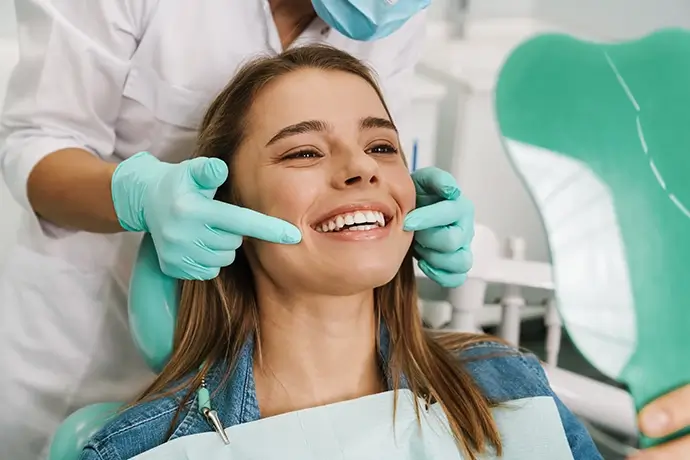
Dental bonding is a good treatment option in most cases where minor-to-moderate restorative care or cosmetic adjustments are needed.
When more extensive damage is present, such as a severely fractured tooth or large dental cavity, a tooth may require a treatment that uses a stronger dental material, such as porcelain crowns, inlays, or onlays. Likewise, patients with bruxism (jaw clenching and teeth grinding) may also benefit from treatment that uses stronger material.
Not all cases are appropriate for bonding; case selection and discussion with your doctor can help provide successful, long-term outcomes.
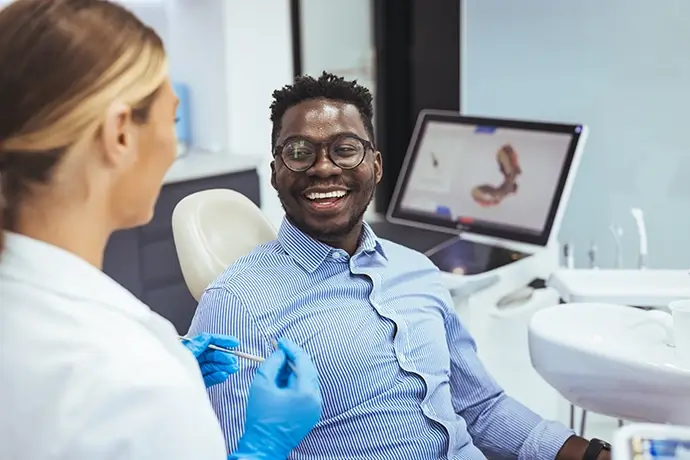
When you schedule your appointment, you’ll be asked to answer a a few questions to help us understand potential stressors—this is to ensure your experience with us is as relaxing as possible.
Once you’re booked in our calendar, we’ll send you new patient intake forms. We recommend filling these out before your appointment for a smoother and faster check-in process.
The actual dental bonding process varies depending on the reason for the treatment. The procedure can take between 30 minutes and an hour. Generally, the appointment will begin with tooth preparation. In most cases, this will simply involve texturing the surface with a conditioning agent. If a cavity is present, however, a local anesthetic will be applied before the infected portion of the tooth is removed and sterilized.
Once we’ve prepared your tooth, our dentist will select and then apply a shade of resin that matches your natural tooth.
Our dentists will mold the resin into the desired shape and appearance, then use a special ultraviolet light to cure the resin. Once cured, our dentists will polish your tooth and make any final adjustments as needed to ensure a natural look and comfortable fit.
Dental bonding can last multiple years if properly cared for. Practicing good oral hygiene, avoiding hard foods, and protecting your teeth with a mouthguard may extend its lifespan.
Every insurance policy is different. Typically, dental insurance includes some coverage for dental bonding that is considered medically necessary. Coverage for purely cosmetic bonding treatments is less common. If you have any questions, please contact our office team at (586) 261-8819.
Dental bonding is considered a safe, minimally invasive treatment. Some patients experience temporary sensitivity after treatment. Depending on how well a patient cares for their teeth and dental work, they may need occasional repairs or touch-ups.
No. Dental bonding is durable, but it is not considered a permanent treatment because the bonding can be removed, chipped, or fractured. For patients looking for a permanent option, porcelain veneers or dental crowns are usually a more appropriate choice.
Dental bonding has minimal recovery time. In most cases, patients can return to normal activities and a normal diet immediately after their appointment. In cases where bonding is addressing tooth decay, patients may experience some tenderness for around 24 hours, so will need to consume soft, mild foods and avoid drinking extremely hot or cold beverages during this period.
Yes. This is why practicing good oral hygiene and scheduling your bi-annual office visits and cleanings are critical. While dental bonding offers some protection, it doesn't make a tooth invincible, and decay can still occur beneath a dental bond.